

eBooks

  1. Home
  2. ebook
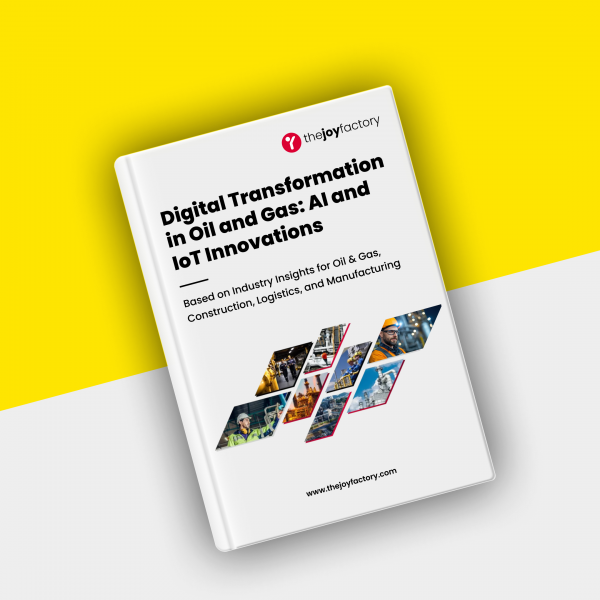
  3. Digital Transformation in Oil and Gas: AI and IoT Innovations
A new technical report for energy leaders and digital transformation officers! Now you can…

Master the Digital Revolution of the Oil and Gas Industry.

Navigate the high-stakes evolution of AI and IoT to protect your workforce, reduce operational costs, and secure a competitive edge. With this free 25-page report.
eBook oil & gas eMail

Multi-Technology Integration

Learn how combining cloud computing, automation, IoT sensors, and advanced analytics scales across your entire value chain.

Risk Mitigation Frameworks

Discover proactive methods to reduce operational downtime, minimize environmental impact, and lower liability costs.

Autonomous Rig Safety

See how automated drilling systems, drones, and robotics perform equipment inspections in hazardous zones without putting workers at risk.

AI Video & Asset Monitoring

Leverage advanced AI video tracking to monitor PPE compliance in real-time and automate emergency response alerts.

Digital Twin Simulations

Utilize virtual replicas of physical assets to run complex, simulation-based training scenarios in an entirely risk-free environment.

Edge Computing & 5G Connectivity

Overcome communication latency on remote rigs to achieve near-instantaneous automated shutdowns during critical incidents.

High-Stakes Cybersecurity

Defend critical infrastructure against ransomware threats that disrupt regional operations and average over $10 million per breach.

Global Safety Certifications

Review regional and international standards for rugged hardware deployments, including Class I Div 2, Class II Div 1 & 2, and ATEX Zones 2 & 22.

Ready to Protect Your Frontline?

Building a reliable mobile fleet requires sorting facts from consumer marketing. Explore answers to critical field deployment questions below:
What exactly does a complete digital transformation entail for oil and gas operations?

Digital transformation in this sector involves deeply integrating technologies like cloud services, automated control networks, IoT devices, and machine learning analytics into daily business workflows. By synthesizing these tools, energy companies can continuously capture real-time data to optimize resource usage, improve logistics transparency, lower structural operating costs, and satisfy stringent environmental compliance mandates.

How are AI and robotics used to minimize hazardous on-the-job human exposure?

According to data cited by the CDC, the highest percentage of serious workplace injury reports originate from the oil and gas sector. AI-driven automation minimizes risk by physically replacing human labor in high-danger settings. Examples include deploying automated drilling rigs to remove staff from hazardous decks, and using remote aerial drones or track robotics to inspect structurally compromised or isolated asset locations safely.

What operational value does Digital Twin technology deliver on a live job site?

Digital twins function as virtual replicas of your active physical infrastructure, mapping live sensor inputs to simulate and forecast immediate asset performance. Outside of providing critical diagnostic support during facility turnarounds to prevent maintenance bottlenecks, these virtual environments allow crews to repeatedly practice emergency protocols and delicate heavy-machinery scenarios with zero physical hazard.

Why must companies pair 5G and Edge Computing on remote rigs?

Traditional cloud architectures create data transmission latencies that can prove hazardous during sudden pressure changes or structural anomalies. Edge computing processes raw IoT sensor outputs locally, directly adjacent to the extraction point, while 5G provides ultra-reliable, high-speed data channels. Together, they enable real-time automated safety overrides and near-instantaneous emergency systems activation.

How severe are the financial impacts of cybercrime and ransomware on current infrastructure?

As energy operations move toward highly interconnected digital models, they become top-tier targets for sophisticated industrial espionage, phishing, and ransomware. High-profile incidents like the 2021 Colonial Pipeline attack demonstrate how easily cybercrime can paralyze regional fuel distribution networks, triggering millions of dollars in direct ransom payments and pushing average total breach costs over $10 million per incident.

Which hazardous location certifications apply to the aXtion Extreme protective series?

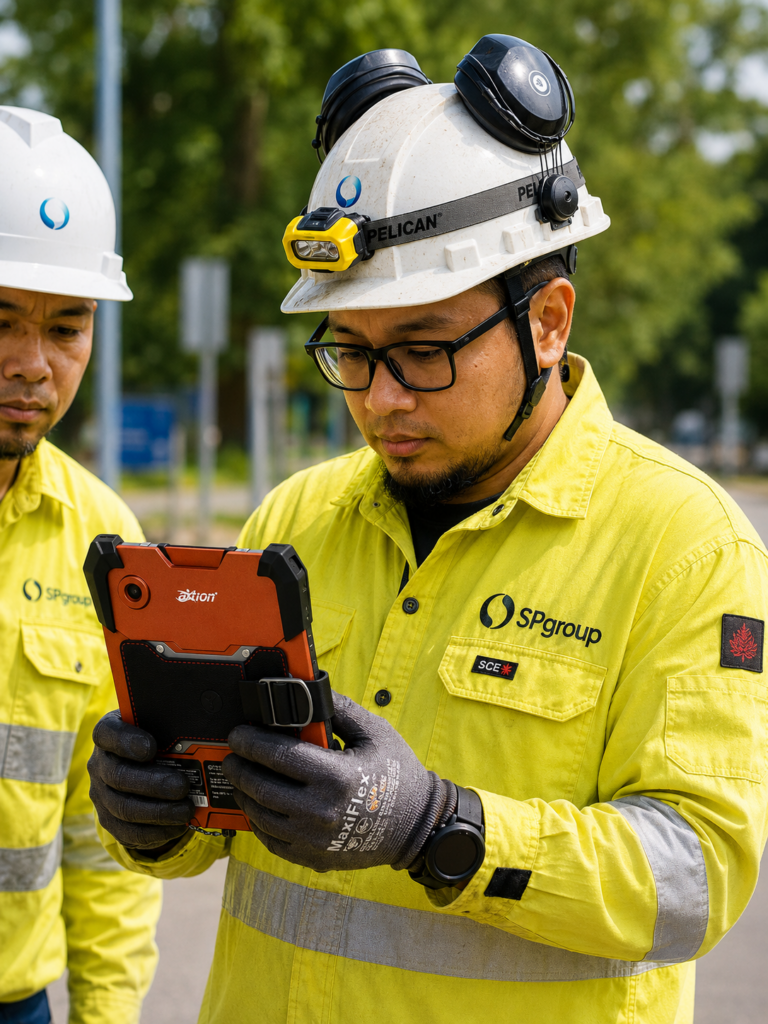
The specialized aXtion Extreme series is engineered to operate safely within strictly regulated explosive atmospheres. Depending on model selection and geographic deployment, certifications include Class I, Division 2 (safeguarding environments containing flammable gases or vapors), Class II, Division 1 & 2 Groups A-G (preventing ignition from combustible industrial dust), and international ATEX Zone 2 & Zone 22 classifications.

It's Time to Move Towards a Digital Future.

Energy markets are ripe for technological innovation. Up to 60% of the current workforce requires upskilling to safely navigate the incoming ubiquitous standard of AI and IoT architecture. Equipping your team with resilient, certified mobile technologies ensures safer working environments, decreases liability costs, and establishes a definitive competitive edge. Access the full 24-page industry playbook today

Skip to content